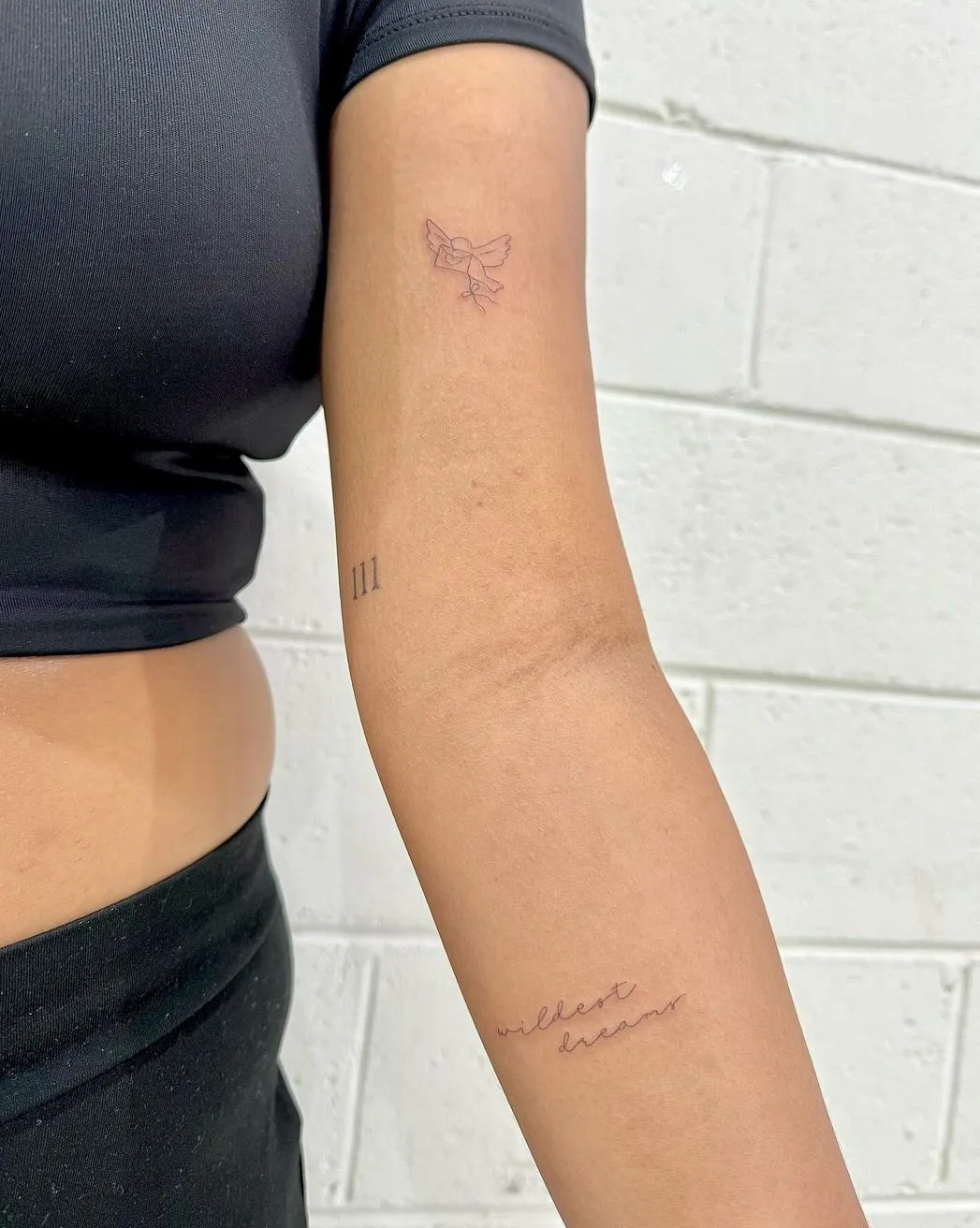
Can Any Tattoo Artist Do Fine Lines? Expert Guide
Fine line tattooing has become more popular in recent years due to its dainty, intricate and subtle look. Unlike traditional bold-lined tattoos, fine-line tattoos require a high level of precision, patience and a specialized technique. Many people assume any tattoo artist can do fine-line designs, but the reality is quite different. Not all tattoo artists have the skills, experience or knowledge to master this art form. Many aspiring tattoo artists enrol in a fine line tattoo course to hone their skills, learn new techniques and get hands-on experience in creating delicate and intricate designs
Fine-Line Tattooing Unique


Fine line tattooing is different from traditional tattooing in many ways. It uses single-needle or extremely thin multi-needle configurations to create ultra-thin and detailed lines. The technique allows for a minimalist, delicate and precise design often looking like pen drawings or sketches. Unlike bold traditional tattoos, fine line work is less invasive on the skin, heals faster and involves less ink saturation.
One of the biggest aspects of tattoos fine-line is their fragility. Since they use minimal ink, they can fade faster than traditional tattoos if not done correctly. The artist has to be skilled enough to balance ink deposit, skin penetration depth and line consistency to make the tattoo remain sharp and elegant over time. The tattooing process for fine line tattoos is different from thicker tattoos and traditional tattoo styles, making it a different type of tattoo.
Key Skills Required for Fine-Line Tattoos

To create high-quality fine line tattoos, an artist must have a set of skills that goes beyond standard tattooing techniques. These are:
- Extreme Precision – Fine line tattoos require an artist with a steady hand and the ability to create smooth, clean lines without wobbles or inconsistencies.
- Mastery of Needle Control – Unlike traditional tattooing where bold lines can be reinforced, fine line work depends on careful needle pressure and controlled ink flow.
- Understanding of Skin Types – Different skin types react differently to fine-line tattooing. An experienced artist knows how to adjust their technique based on the skin’s elasticity, texture and ink absorption.
- Artistic Skill and Design Knowledge – Fine-line tattoos often involve intricate details. Artists must have a strong background in art, and composition and an eye for delicate aesthetics. Tattoo design skills are crucial in achieving artistic expression, as seen in fine-line tattoo ideas like flower tattoos and heart tattoos.
Why Not Every Tattoo Artist Can Do Fine Lines
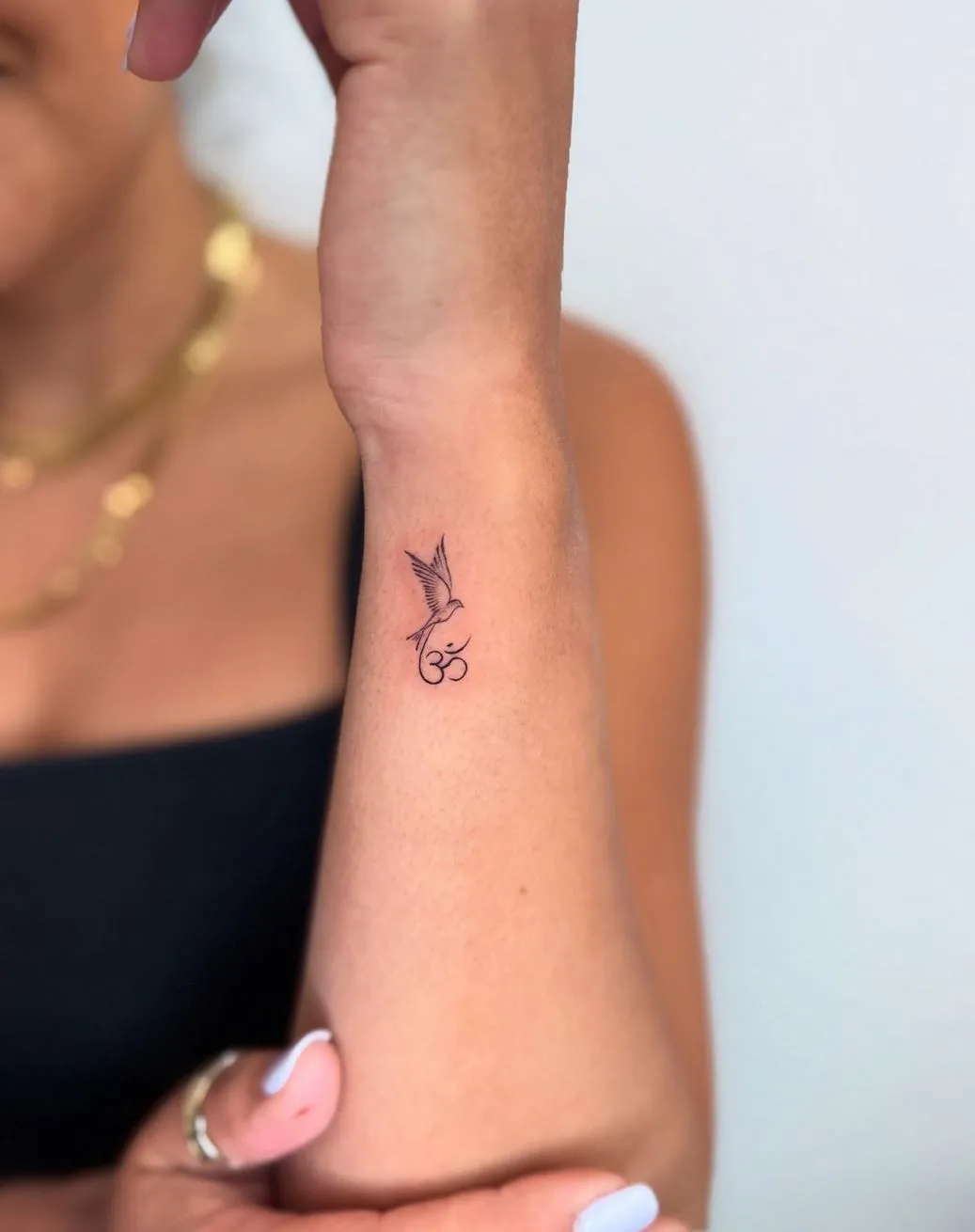
Not all tattoo artists are skilled in fine-line tattooing. Here’s why:
- Lack of Training – Many traditional tattoo artists are trained to do bold lines and heavy shading, not fine-line work. Fine-line work requires a completely different technique that needs to be learned and practised separately.
- Different Equipment Required – Fine-line tattooing often requires specialized needles, tattoo machines and even different ink to achieve the look. Artists not familiar with these tools will struggle to get consistent results.
- Less Room for Error – Fine-line tattoos are less forgiving than traditional tattoos. A shaky line or uneven pressure can ruin the whole design. This style is tough for those not well-practiced in precision work.
- Client Expectations and Maintenance – Fine-line tattoos require proper execution and aftercare. Without the right knowledge an artist can create a design that fades or blurs quickly and the client will be unhappy. Tattoo enthusiasts should research talented tattoo artists and tattoo studios that do fine-line work.
Become a Fine-Line Master

For tattoo artists wanting to specialize in fine-line tattoos mastering the technique takes dedication, practice and continuous learning. Here are the steps to become a fine-line tattoo artist:
- Apprenticeship with a Fine-Line Artist – Learning from an experienced fine-line tattoo artist is one of the best ways to develop the skills. A hands-on apprenticeship will give you insight into the techniques, tools and challenges of this style. Enrolling in a fine-line tattoo course can also provide structured learning and in-depth training for aspiring artists.
- Practice on Synthetic and Real Skin – Mastery comes with practice. Practising on synthetic skin before working on real clients will build your confidence and skills.
- Invest in the Right Equipment – Fine-line work requires specialized needles, lightweight tattoo machines and specific ink formulas. Having the right tools will improve the quality of the tattoos.
- Develop a Strong Artistic Foundation – Understanding composition, shading and line work is key. Taking art classes or practising freehand drawing regularly will improve your technique. Minimalist tattoos, micro tattoos and detailed artwork require artists with a refined sense of subtlety and delicate aesthetics.
- Stay Current – The industry is always changing. Workshops, following fine-line artists and continuous learning will keep your skills current. Online groups and recommendations from friends will help you find great artists.
Conclusion
Many tattoo artists are skilled but fine-line tattooing is a specialisation that requires precision, patience and proper training. The technique involves intricate designs, delicate needle work and an understanding of skin behaviour. Not every tattoo artist can do fine-line tattoos successfully but those who dedicate themselves to mastering this technique can create beautiful, long-lasting designs that stand out in the tattoo industry. If you’re thinking of getting a fine-line tattoo make sure you choose an experienced artist who has the knowledge and skill to bring your vision to life.
FAQ
Do fine-line tattoos fade faster than traditional tattoos?
Yes, fine-line tattoos fade faster because they use less ink and are not as deep in the skin as traditional bold tattoos. Proper aftercare and touch-ups can help maintain their appearance over time.
Can any tattoo artist do fine-line tattoos?
No, not every tattoo artist has a specialisation for fine-line tattoos. This style requires extreme precision, steady hands and an understanding of skin types and ink application techniques.
How do I find a good fine-line tattoo artist?
Look for artists with a strong portfolio of fine-line work, check client reviews and make sure they have experience in fine-line tattooing. Consulting with the artist beforehand can also help assess their expertise.
Are fine-line tattoos more painful than traditional tattoos?
Fine-line tattoos can be less painful since they use thinner needles and often less shading. However pain levels vary depending on the location and individual pain tolerance.
How do I take care of a fine-line tattoo to prevent fading?
Follow aftercare instructions from your artist, avoid excessive sun exposure, keep the tattoo moisturised and consider a touch-up if the design starts to fade over time.